
Rainwater Harvesting Maintenance: What a Rainy Filter Actually Needs
A rainwater harvesting system that’s installed and then ignored stops doing its job within a few monsoons. The good news is that a properly filtered system, like the Rainy filter units we install, needs far less upkeep than an unfiltered soak pit — but “far less” isn’t “none.”
What actually needs attention
- Filter mesh cleaning — periodic cleaning of the filtration mesh keeps flow rates up, especially before and during heavy monsoon spells
- First flush diverter check — the diverter that redirects the initial dirty runoff should be inspected to confirm it’s actually diverting rather than passing straight through
- Storage tank or recharge pit inspection — checking for silt buildup at the base, which reduces effective capacity over time
- Pre-monsoon check — doing this once before the season starts catches most issues before they matter
Why this matters beyond just water flow
Nagpur Municipal Corporation’s bylaw requires the structure to be maintained in good repair, not just installed once. A system that’s stopped functioning doesn’t satisfy the requirement even if it passed inspection when it was new — the ongoing obligation sits with the property owner or society.
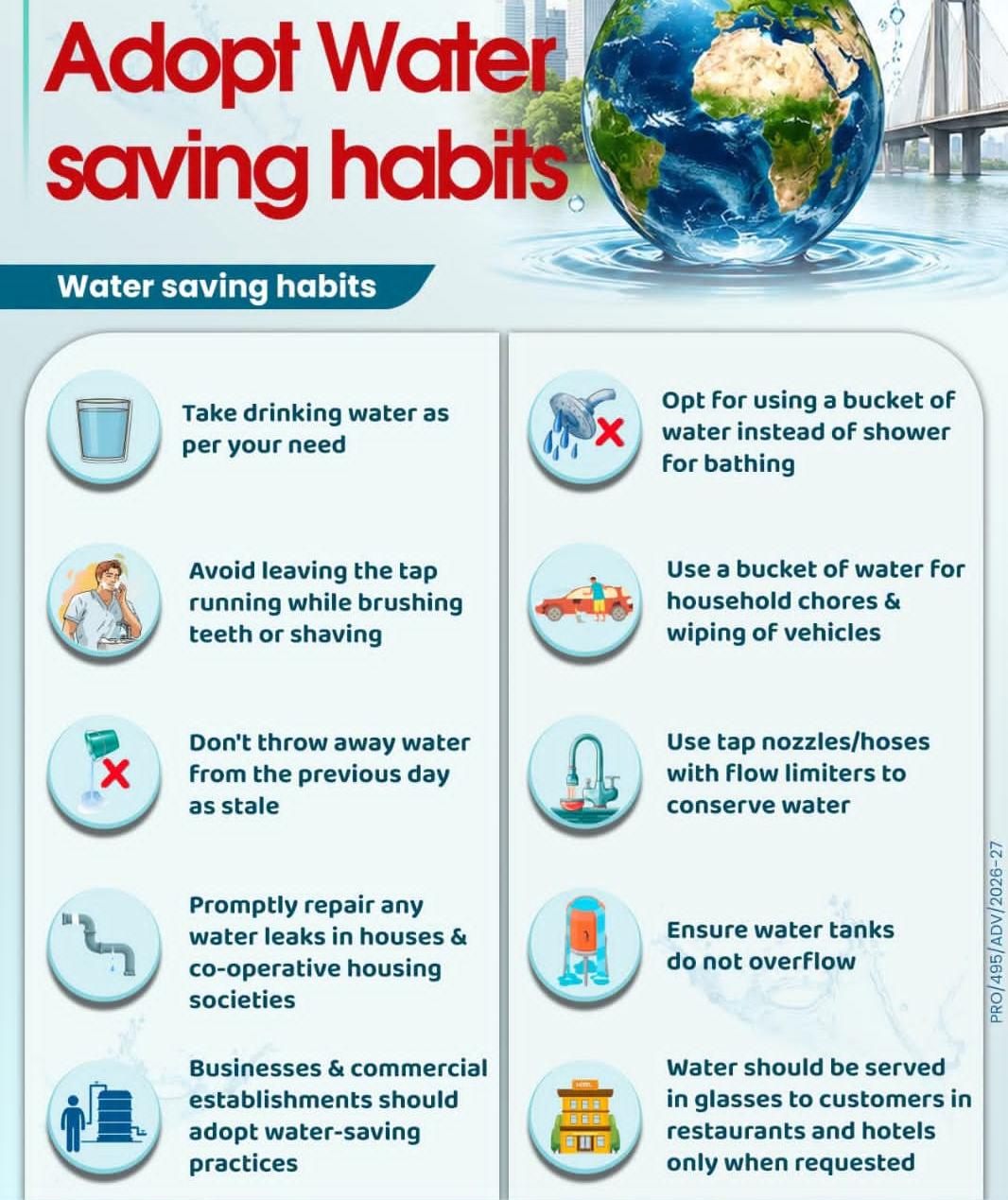
Good water habits around the property also reduce the load on the system and extend the time between maintenance visits.
Getting a maintenance check done
If your system hasn’t been checked in a while, or you’re not sure whether it’s still functioning as it should, it’s worth having it inspected rather than assuming. Reach out through our rainwater harvesting page and we can assess what your existing installation actually needs.
Related Reading
- Is Rainwater Harvesting Mandatory in Nagpur?
- Rainwater Harvesting Cost in Nagpur and Maharashtra
- CGWA NOC and Rainwater Harvesting Connection
- Recharge Pit vs Storage Tank Nagpur
- Rainwater Harvesting for Housing Societies in Nagpur
- Borewell Recharge in Nagpur
- Rainwater Harvesting 101: The Complete Guide
Frequently Asked Questions
How often should a Rainy filter be cleaned?
A pre-monsoon check is the minimum, with a follow-up mid-season if the area sees heavy or prolonged rainfall, since debris buildup increases with usage.
What happens if the system isn’t maintained?
Flow rates drop, silt accumulates, and the structure gradually stops functioning as intended — which also means it no longer satisfies the municipal maintenance obligation even if it did when installed.
Does an unfiltered soak pit need more maintenance than a Rainy filter system?
Yes, significantly more. Unfiltered pits silt up faster and typically need full reconstruction within a few years, while a properly filtered system needs periodic cleaning rather than rebuilding.